blogs science-of-salsa-fresh-flavor-guide
Feb 23, 2026
The Science of Salsa: What Makes the Best Fresh Salsa Every Time

We know the best version of salsa does not happen by chance. It is always crafted with intention. Salsa may carry a reputation for being simple, but it is surprisingly precise. At its core, it represents a careful balance of chemistry, freshness, and timing.
The ingredient list is simple. A few chopped vegetables, fresh lime, and a pinch of salt. Yet ingredients alone do not make a flat bowl crave-worthy. The real difference lies in how they come together. The magic lies in how each element plays its role without letting the salsa lose its flavor.
Here, we examine the culinary principles that keep fresh salsa vibrant and consistent. We explore how ingredients balance through texture and technique. We explain why salsa tastes the way it does and how small choices lead to the bold flavor.
The Core Building Blocks of Any Great Salsa
Every salsa, regardless of style, is built on a short list of essential salsa ingredients.
Firstly, tomatoes form the base. They bring sweetness, acidity, and body. The variety we choose matters because water content and ripeness directly affect both texture and flavor.
Next come chiles, which add heat and depth. Onions follow, bringing sharpness and structure to the mix.
For acid, we most commonly use lime. It wakes up every ingredient in the bowl. Salt is equally essential. It pulls the flavors together and enhances them rather than overpowering them.
The key to a great salsa is balance. When even one ingredient dominates, salsa can taste aggressive or dull. Freshness is the foundation of any well-balanced salsa. Recently chopped ingredients keep flavors clean and textures intact.
Many people suggest that seasoning alone defines a good salsa. In our experience, ingredient quality is what separates an average salsa from an excellent one.
Acid, Salt, and Heat: The Flavor Equation
Salsa follows a quiet formula. We build it around a delicate balance between acid, salt, and heat.
Acid lifts flavors and keeps salsa from tasting flat. Too little, and it feels muted. Too much, and it turns sharp and distracting.
Salt works subtly. When used correctly, it enhances flavor rather than announcing itself. It sharpens the natural taste of tomatoes, chiles, and onions.
Heat should support the salsa, not dominate it. Overusing spices masks freshness rather than enhancing it.
The best salsas are made by following these tips. One of the most useful homemade salsa tips is adjusting in small increments. Adding acid or salt slowly allows you to correct the balance without losing control. A reliable salsa recipe is built on tasting, not guessing.
Pico de Gallo Secrets: Why Freshness Changes Everything
Pico de gallo lives between salsa and salad. Its details matter. Unlike blended salsa, it relies entirely on knife work and ingredient integrity.
We focus on uniform chopping to ensure even bites. Moisture control is equally important, as excess liquid can make the mixture watery. Tomato selection becomes critical here, as excess juice can dilute flavor.
Resting time also plays a role. Letting pico sit briefly allows flavors to meld without breaking down texture. Order matters as well. Salting tomatoes early draws out moisture, while adding acid at the right moment preserves brightness.
These details may appear subtle, but they define well-made pico de gallo. Uniform cuts ensure consistency in every bite. Moisture control preserves texture. Timing protects freshness. Precision separates a thoughtful preparation from an ordinary one.
Texture Matters
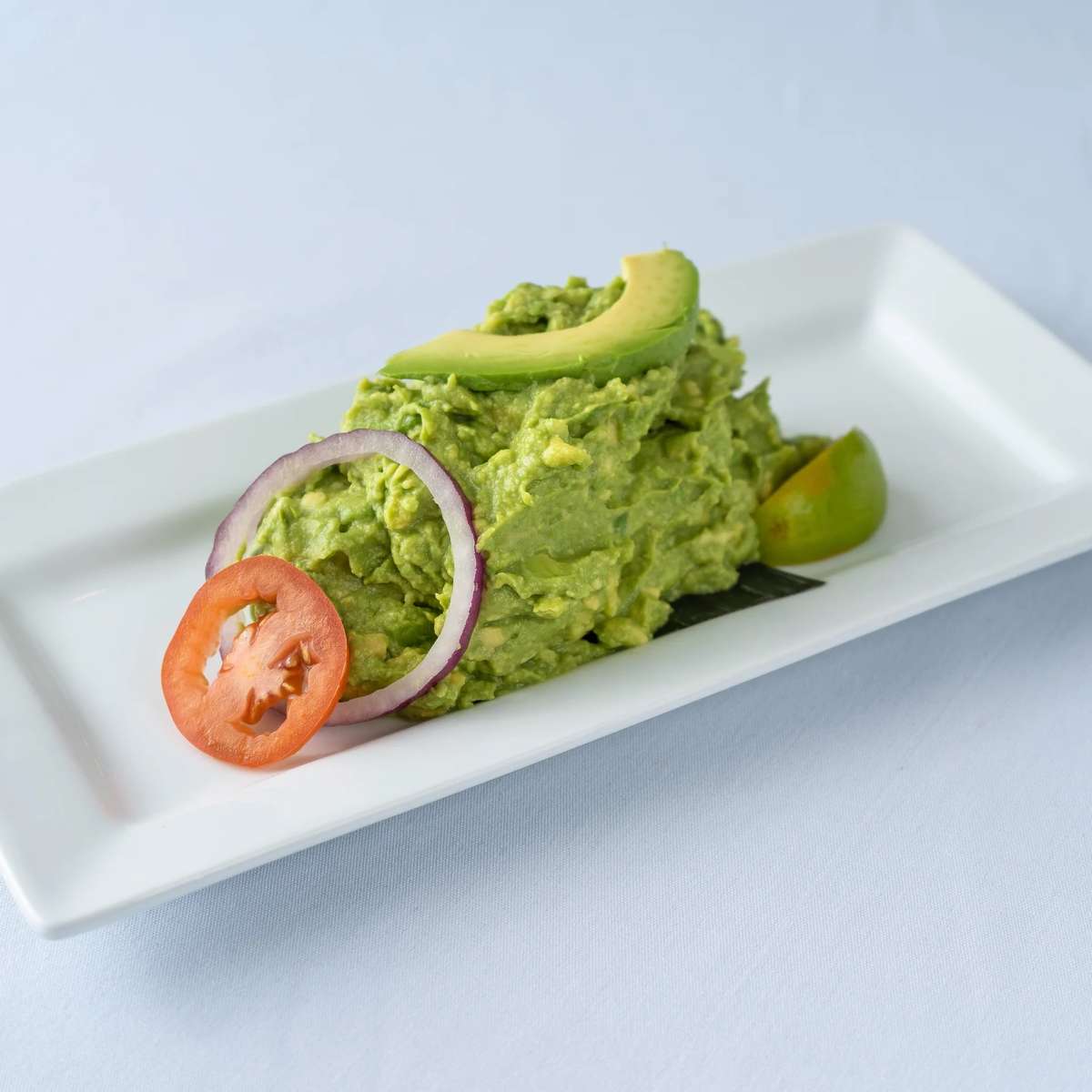
Texture shapes how salsa tastes. Chunky salsa delivers bursts of individual flavors. Blended versions feel cohesive and smooth. Neither style is better than the other. What matters is intention.
When we over-blend, we flatten flavor by over-mixing ingredients. When we chop too finely, salsa feels one-dimensional. A well-composed salsa considers texture as carefully as seasoning.
Knowing when to blend and when to chop gives us control. Texture should support how the salsa is served, whether spooned onto a dish or presented at the table.
Common Salsa Mistakes and How to Fix Them
Some salsa mistakes happen often. Knowing how to fix them makes all the difference.
Overripe tomatoes or improper draining can make the salsa watery. Too much acid can be softened with a pinch of salt or balanced with natural sweetness from tomato flesh.
Over-salted salsa benefits from dilution by adding more tomato or adjusting with acid.
Flat salsa usually lacks acid or salt, not complexity. In our experience, correcting the balance is the most effective way to improve homemade salsa. The issue is often misalignment, not simplicity.
What Restaurant-Quality Salsa Gets Right
At Mesero, salsa is never an afterthought. It is the first expression of our kitchen.
Ingredients are prepared fresh, seasoned deliberately, and served at their peak. Brightness comes from timing. Depth comes from restraint. Clean flavor comes from respecting the ingredients rather than masking them.
When consistency, balance, and freshness align, salsa feels intentional. It sets the tone for the meal before the first entrée arrives.
Fresh Salsa at the Table: Why It Changes the Meal
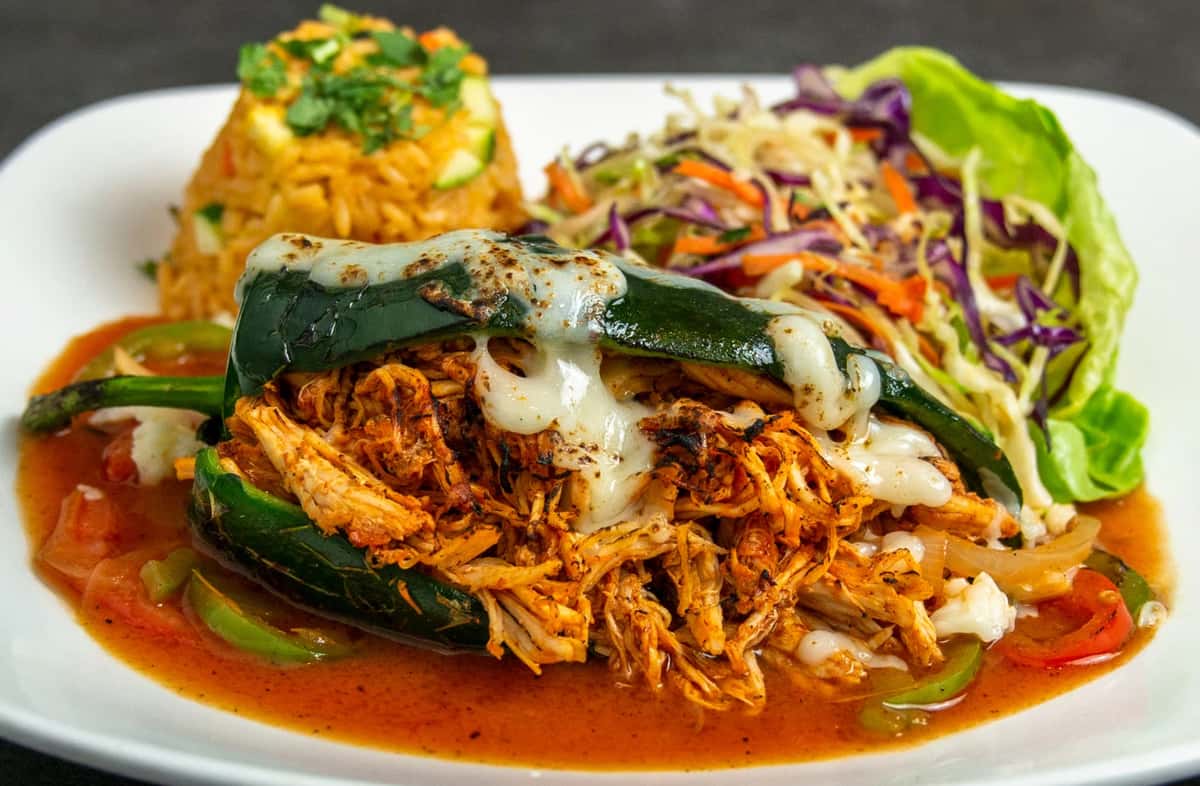
Fresh salsa wakes up everything it touches. It sharpens flavors and refreshes the palate. It invites guests to slow down and taste more carefully.
When salsa is balanced, it enhances the meal quietly. This is why the timing of pico de gallo preparation matters so much.
Our approach at Mesero is simple. We serve table-ready salsa that adds flavor and balance to dishes like queso Mesero, tacos, nachos, and more. Salsa is not background. It is the opening note.
Mastering the Science of Salsa at Home
Great salsa is not about complexity. It is about balance.
Respect the ingredients. Control acidity. Layer heat thoughtfully. Taste, adjust, and refine. When those principles guide the process, flavor becomes clean and confident rather than overwhelming.
Understanding the structure behind salsa changes how it is experienced. It becomes more than a condiment. It becomes a foundation — something that sharpens every bite that follows.
To experience that balance firsthand, get your reservation at Mesero and enjoy fresh salsa prepared with intention.