blogs origins-of-tex-mex-how-texas-and-mexico-created-americas-favorite-cuisines
Feb 03,2026
The Origins of Tex-Mex: How Texas and Mexico Created One of America's Favorite Cuisines
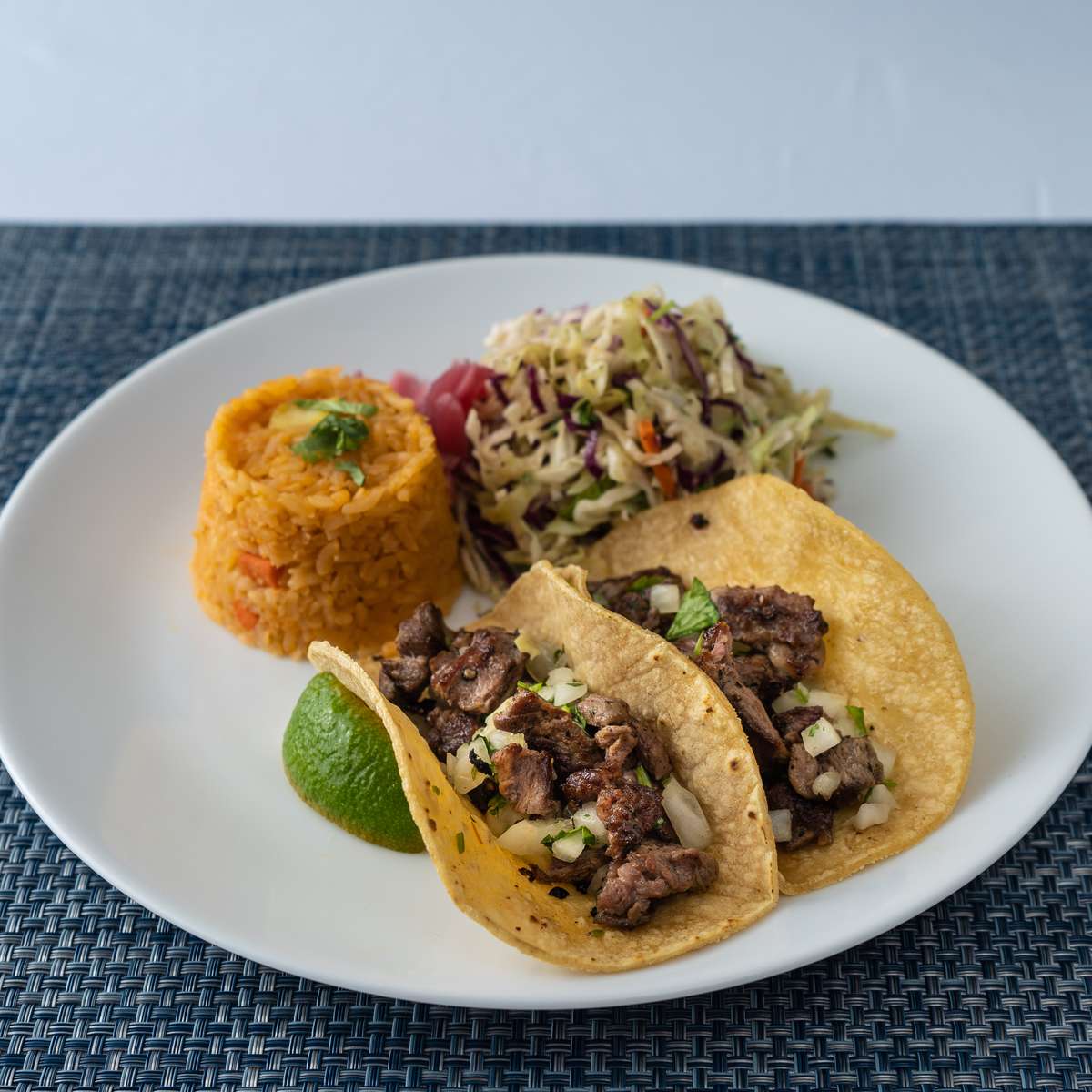
Food doesn't respect borders. It never has. Long before Texas became Texas, before maps drew hard lines between cultures, people cooked with what they had, where they stood. They shared meals, borrowed techniques, adapted flavors, and passed recipes down without naming them. That's how Tex-Mex was born.
Not as a trend. Not as a category. But as a way of eating shaped by place, people, and time. Tex-Mex is one of the most recognizable expressions of Mexican cuisine in the United States, yet it's also one of the most misunderstood. We hear the question often: What is Tex-Mex, really? Is it Mexican food? Is it American? Or something else entirely?
In this blog, we dig into where Tex-Mex came from, how it evolved, and why it still feels so deeply connected to the way we gather around the table today. This is history you can taste. And at Mesero, it's history we serve every day.
What Is Tex-Mex, Really?
Tex-Mex isn't a shortcut. It's not a compromise. And it's definitely not inauthentic. At its core, Tex-Mex comes down to geography. Northern Mexican cooking traditions met Texas ranch culture, Indigenous ingredients, and American pantry staples. Over time, those influences blended naturally, the way food always does when communities live side by side.
Think about it:
- Wheat flour was easier to grow in parts of Texas, so flour tortillas became common.
- Cattle ranching meant beef played a larger role.
- Dairy was more accessible, so melted cheese became part of everyday cooking.
This isn't dilution. It's fusion food history at its most honest. Tex-Mex didn't erase Mexican traditions. It adapted them to new landscapes and new lives.
Where Texas and Mexico Truly Meet
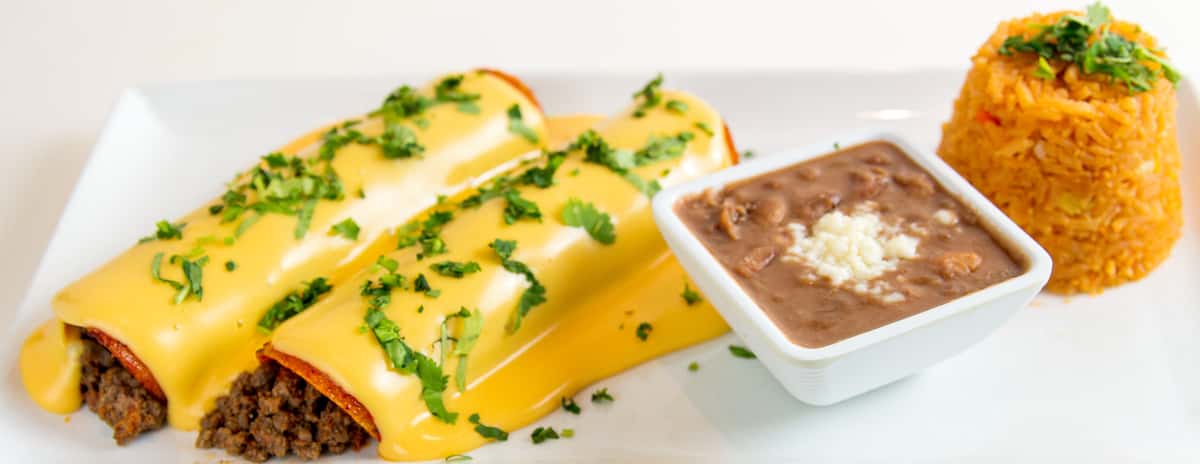
Before borders, there were kitchens. Tejano families cooked with corn, beans, chiles, and meat long before Tex-Mex had a name. Ingredients crossed freely because people did. Trade routes, farming, and shared labor shaped what ended up on the plate.
As Texas underwent political change and American expansion, food evolved alongside. Ranch cooking leaned hearty. Portions grew. Dishes were built for sharing. The flavors stayed bold because the land demanded it.
That's why Tex-Mex feels grounded. It emerged from daily practice, not theory. It's Mexican cuisine shaped by necessity, comfort, and community.
Tex-Mex vs Mexican Food: Let's Clear This Up
The conversation around Tex-Mex vs Mexican food often gets oversimplified. Here's the truth: they're different, but neither is more "real".
Tex-Mex tends to feature:
- Flour tortillas
- Yellow, melty cheeses
- Cumin-forward seasoning
- Beans and rice as anchors
- Hearty, saucy plates meant for sharing
Mexican cuisine is deeply regional:
- Variety of tacos
- Fresh cheeses
- A wide range of chiles
- Techniques that vary from state to state
- Layered flavors built through time and place
Tex-Mex is bold and comforting. Mexican food is diverse and nuanced. Both matter. Both tell stories. Understanding Tex-Mex vs Mexican food isn't about ranking. It's about respect.
The Ingredients That Make Tex-Mex Instantly Familiar
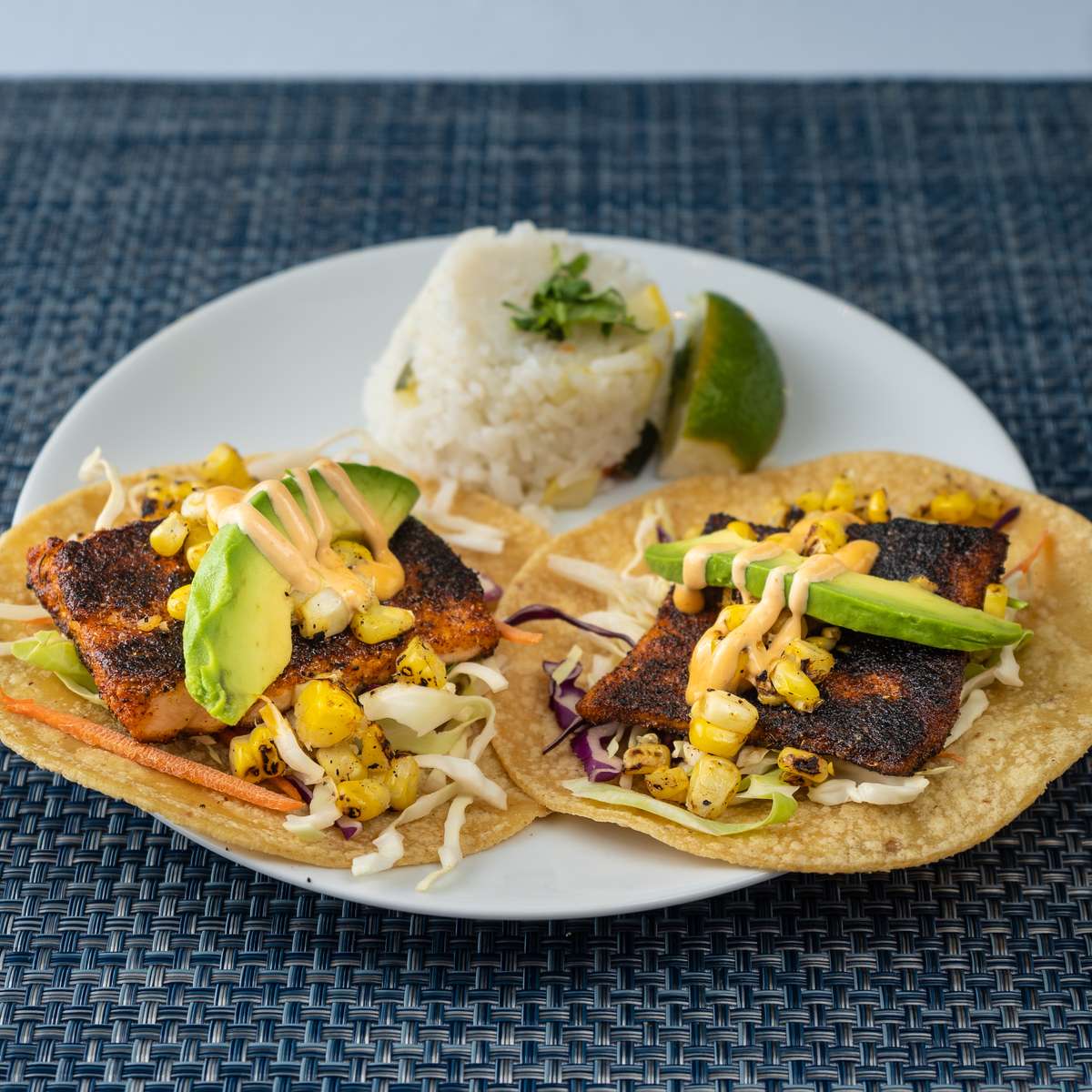
You know Tex-Mex the moment it hits the table. Warm flour tortillas. Beans that ground the meal. Rice that soaks up every sauce. Cheese that stretches just enough. Beef and chicken seasoned to be generous, not shy.
These Tex-Mex ingredients aren't flashy. They're dependable. They're meant to feed groups, start conversations, and linger longer than planned.
At Mesero, we treat these ingredients with purpose. Same roots. Better balance. The goal isn't to reinvent Tex-Mex - it's about cooking with care, so the comfort stays while the experience evolves.
How Tex-Mex Became Everyday Food
Tex-Mex didn't stay special-occasion food for long. It became part of family dinners, birthday tables, post-game meals, and weeknight comfort. Its format fits American dining culture effortlessly: shareable, flexible, and welcoming.
That's why Mexican cuisine in this form feels woven into everyday life. It's food that invites people to stay a little longer, pass plates, and talk with their hands.
Tex-Mex Today and the Mesero Approach
Tex-Mex isn't frozen in time. Modern kitchens respect the foundation while refining how it shows up. Ingredients are fresher. Execution is cleaner. Presentation is thoughtful but still relaxed.
At Mesero, we take great pride in serving Tex-Mex the way it's always been meant to be enjoyed. It's rooted, balanced, and generous. We honor where it came from without pretending it can't grow. That's the beauty of fusion food history. It keeps moving.
A Cuisine Built for Connection
Tex-Mex exists because people share space, labor, and meals. It's one of America's most beloved expressions of Mexican cuisine because it's human. It's generous. It's meant to be eaten together.
Not as a label. Not as a debate. But as a story told one plate at a time. Explore our menu at Mesero and experience how Tex-Mex history continues to come to life.