blogs best-vegetarian-vegan-options-tex-mex-cuisine
Jan 18, 2026
The Best Vegetarian and Vegan Options in Tex-Mex Cuisine
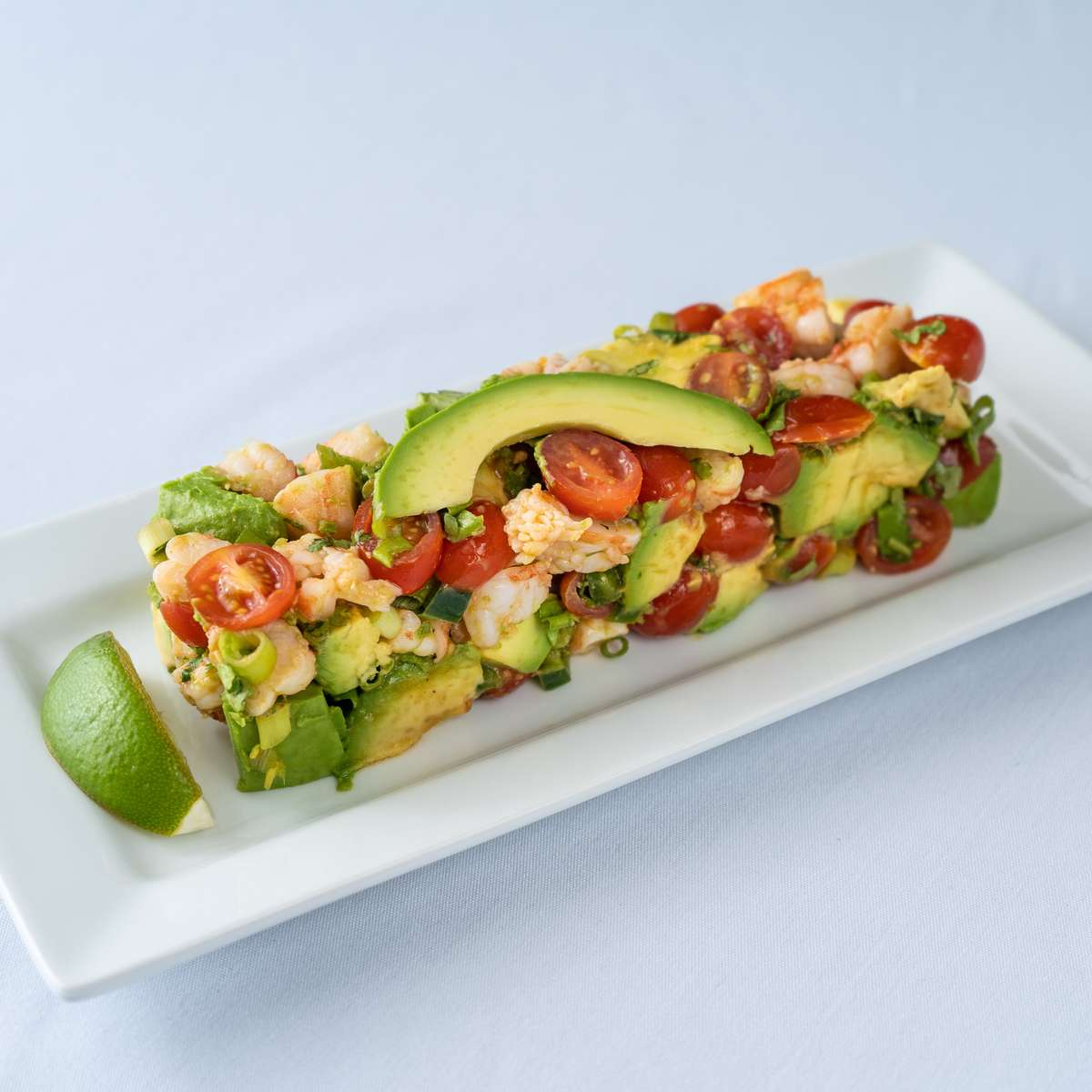
Tex-Mex has a reputation. Big platters. Bubbling cheese. Sizzling skillets that turn heads across the dining room. For years, that image led many people to assume one thing: if you don't eat meat, Tex-Mex probably isn't for you.
We've always known that isn't true. At its heart, Tex-Mex has always leaned heavily on vegetables, beans, grains, chiles, herbs, and bright finishing touches. Long before menus were categorized, Mexican recipes were built around what grew easily and tasted good. Meat was often an accent, not the foundation.
That's why vegetarian Tex-Mex doesn't feel like a workaround. It feels natural. Familiar. Satisfying in the way comfort food should be.
In this blog, we walk through the ingredients, dishes, and dining moments that make plant-forward Tex-Mex shine, and how we embrace that flexibility every day at Mesero. For health-conscious diners, especially those seeking ways to beat menopausal belly fat naturally, this approach to fresh, veggie-forward meals can be both satisfying and supportive of wellness goals.
The Roots of Vegetarian Tex-Mex Cooking
Plant-forward eating isn't new to Tex-Mex. It's been there from the beginning. Traditional Mexican recipes relied on a short list of powerful staples:
- Beans, slow-cooked and deeply seasoned.
- Corn, ground and pressed into tortillas.
- Squash, peppers, onions, and chiles.
- Rice cooked with tomato, garlic, and spices.
- Avocado, lime, and fresh herbs for balance.
These ingredients formed meals that were filling, layered, and deeply satisfying long before meat took center stage in many American interpretations. When Tex-Mex evolved, it didn't replace those roots. It built on them.
Cheese added richness. Sauces brought depth. Spices tied everything together. That evolution is what makes meatless Tex-Mex meals feel complete, rather than like they are missing something.
Today, modern Tex-Mex kitchens like ours keep that foundation intact. We let vegetables do the talking, sauces do the supporting, and technique handles the rest.
Core Ingredients That Power Plant-Based Tex-Mex
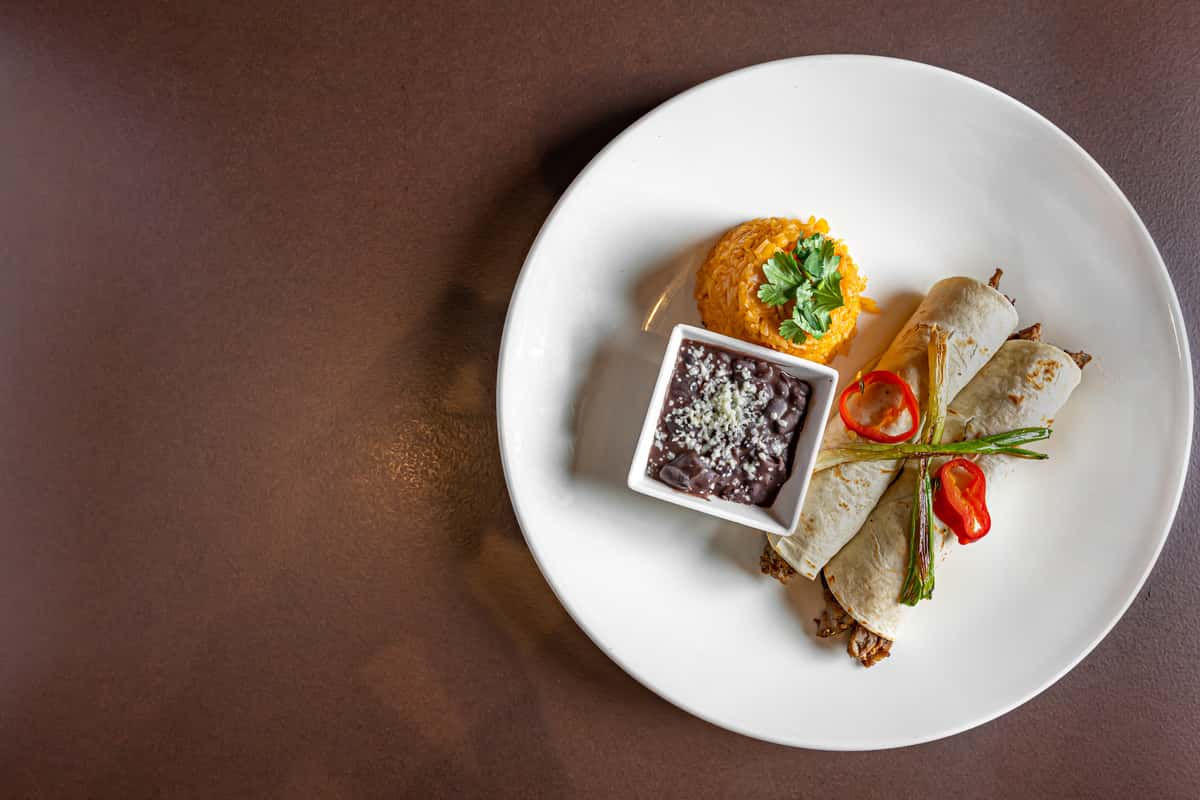
Great plant-based Mexican food isn't about substitutions. It's about structure. Texture matters just as much as flavor. Creamy needs contrast. Smoky needs brightness. Soft needs something crisp.
That's where the classics come in:
- Black beans and refried beans, rich and grounding.
- Rice cooked low and slow with tomato and aromatics.
- Roasted peppers, onions, and squash for sweetness and bite.
- Avocado, cilantro, and lime to lift every plate.
- Flour and corn tortillas that hold everything together.
When layered properly, these ingredients create the same satisfaction people expect from Tex-Mex. Nothing feels secondary. Nothing feels like a compromise.
That's why vegetarian Tex-Mex works so well. The flavors were always there. They just needed room to shine.
Vegetarian Tex-Mex Classics That Always Deliver
Some dishes don't need reinvention. They've earned their place at the table. Cheese enchiladas are a perfect example. Soft tortillas are filled generously, then finished with red chile or tomatillo sauce. They're comforting, balanced, and unmistakably Tex-Mex.
Veggie fajitas follow the same rule. Peppers and onions are cooked until just tender, their edges caramelized, steam rising when they hit the table. They're served with warm tortillas and sides that let everyone build their own perfect bite.
Bean-and-cheese tacos are another staple. Simple. Reliable. Satisfying every time. Rice and bean plates round it all out, especially when paired with fresh tortillas and bright toppings.
These dishes form the backbone of vegetarian Tex-Mex menus because they work. At Mesero, we prepare them with purpose, not shortcuts, so every bite feels generous and complete.
Vegan-Friendly Tex-Mex: What to Look For
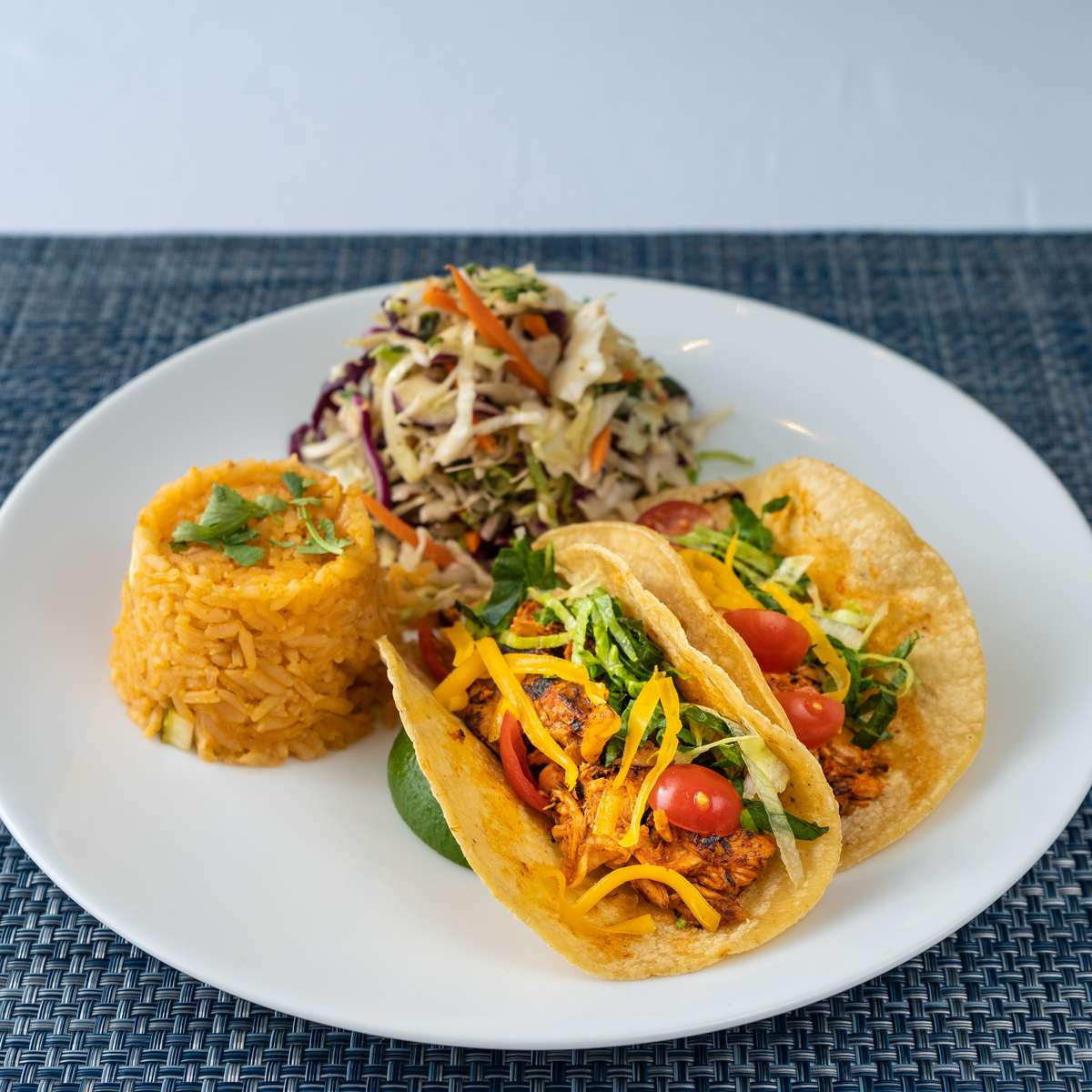
Eating vegan at a Tex-Mex table is easier than most people expect. Many plant-based Mexican food favorites are already dairy-free when prepared thoughtfully:
- Bean-based dishes without cheese.
- Vegetable fajitas are built on corn tortillas.
- Rice and beans are prepared without animal fats.
- Fresh salsas, pico de gallo, and guacamole.
The key is transparency. Knowing how ingredients are prepared. Asking questions. Choosing dishes that celebrate vegetables instead of trying to disguise them.
At Mesero, our team understands these details. We help guests navigate everything comfortably, without labels or pressure, so vegan dining feels welcoming, not restrictive.
How We Approach Vegetarian and Plant-Forward Tex-Mex at Mesero
Our philosophy is simple: flavor first, flexibility always. We build our menu so that vegetarian Tex-Mex doesn't sit off to the side. Cheese enchiladas, veggie-forward fajitas, rice and beans, guacamole, and salsas are part of the same experience as everything else.
Customization is encouraged. Our team knows the menu well and can confidently guide adjustments. That matters most when a table has mixed preferences. Everyone deserves a plate that feels intentional.
Why Tex-Mex Is Perfect for Shared, Meatless Dining
Tex-Mex was built for sharing. Platters pass. Tortillas stack. Conversations stretch longer because no one feels rushed.
That's what makes meatless Tex-Mex meals work so well for groups. Vegetarian options don't arrive as alternatives. They arrive as part of the spread. At Mesero, that shared rhythm is the point. Everyone eats well. No one feels separate.
Flavor Without Limits
Tex-Mex proves something important. Bold flavor doesn't come from protein. It comes from balance, technique, and care. Vegetarian and vegan adaptations don't dilute Mexican recipes. They highlight what has always made them great.
Explore our menu at Mesero, talk with our team, and join us in the dining room. We are always happy to show how vibrant plant-forward Tex-Mex can be.